
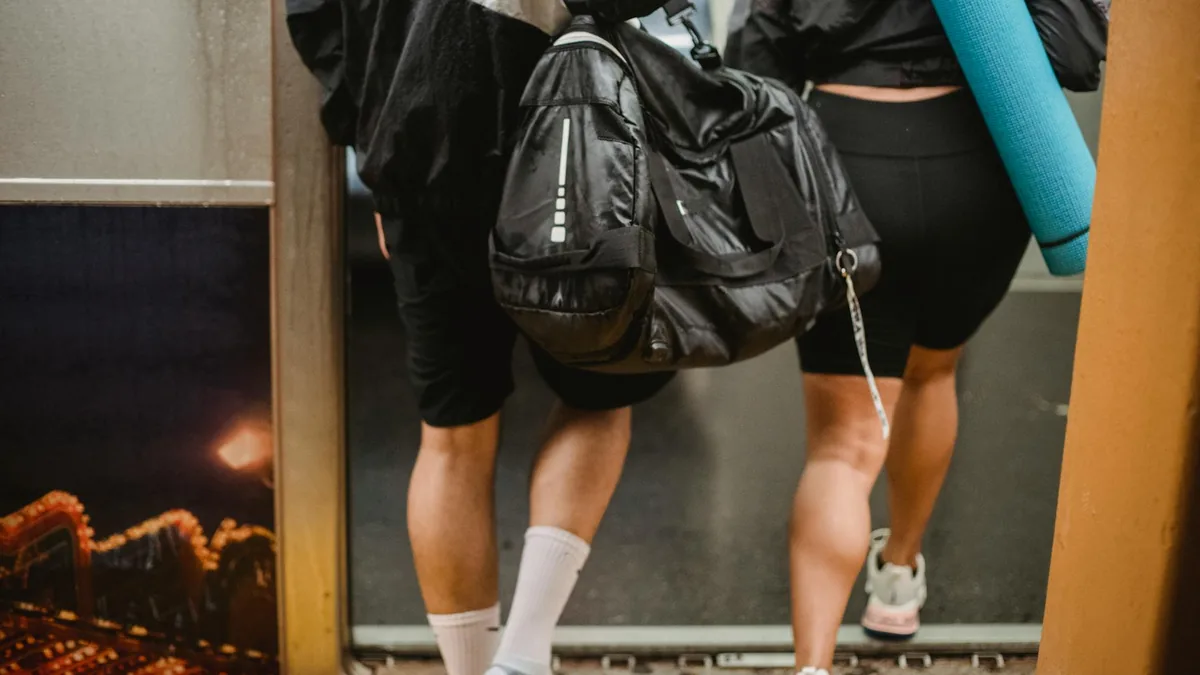
A duffel bag can look polished—if you pick the right shape, material, and straps. Here’s how to choose a weekender bag and style it for travel, work commutes, and everyday errands.
A duffel bag is a smart pick when you want a spacious, flexible bag that still looks intentional—especially for short trips, gym-to-errands days, or as a personal item on flights. The most wearable duffels read polished when they have a structured base, clean hardware, and a strap setup that works with your outfits. If you’re shopping a weekender bag women style, prioritize comfort (hands-free carry) and an exterior pocket so it functions as well as it looks.
Duffel Bag vs. Weekender Bag vs. Tote: Quick Style + Use Comparison
| Bag type | Best for | Style vibe | Watch-outs |
|---|---|---|---|
| Duffel bag | Flexible packing, gym + travel crossover, short trips | Sporty-to-polished depending on material | Slouchy shapes can look bulky; strap comfort matters |
| Weekender bag | Overnight to 2–3 day trips, carry-on personal item | More “travel-ready” and elevated | Can be heavy when full; look for a reinforced base |
| Tote bag | Work + daily carry, easy access, laptop-friendly setups | Clean, office-leaning | Less secure; can dig into shoulder if overloaded |

Who a Duffel Bag Works Best For
- You travel for weekends (or do frequent overnights): A duffel is the classic “pack fast, go” option—especially if you like soft-sided bags that squeeze into tight spaces.
- You want one bag that can do gym + errands: A streamlined duffel in a neutral color can look intentional with athleisure and still fine with casual denim.
- You prefer hands-free carry: If you commute or juggle coffee + phone + keys, choose a duffel with a comfortable crossbody strap (and enough structure to stay put).
- You like minimalist outfits: Simple outfits (jeans + tee, monochrome sets, trench looks) pair well with a clean duffel silhouette that adds “purpose” to the look.
Who a Duffel Bag Might Not Be Best For
- You need quick, organized access all day: If you’re constantly reaching for small items, a tote or backpack-style work bag can be easier than a deep duffel opening.
- You carry a heavy laptop setup daily: A duffel can work, but many are better for travel than everyday tech carry—consider a dedicated laptop tote or backpack if structure and protection are priorities.
- You want a very polished office look: In conservative workplaces, a sleek tote or structured satchel often reads more “work” than a sport-leaning duffel.
What to Look For in a Duffel (So It Styles Well)
- Shape and structure: A slightly structured duffel (reinforced base, defined panels) looks more elevated than a fully slouchy tube—especially with tailored outfits.
- Material finish: Matte leather, coated canvas, or tightly woven nylon reads cleaner than shiny athletic fabric. If you want a true weekender bag feel, lean toward materials that hold their shape.
- Strap options: The most wearable setup is top handles + removable crossbody strap. A wider strap is usually more comfortable and looks intentional with outerwear.
- Hardware and details: Minimal hardware, tonal stitching, and simple zipper pulls keep the bag from looking overly sporty.
- Color strategy: Black, espresso, navy, olive, and taupe are easiest with outfits. If you want a lighter bag, choose a shade that matches your shoe/coat palette (cream with camel, light gray with black).
- Exterior pocket: A discreet outside pocket is a style-and-function win for boarding passes, phone, and hand sanitizer without digging through the main compartment.

How to Style a Duffel Bag: Outfit Formulas That Work
Use your duffel as a “travel accessory” rather than an afterthought—your outfit gets more polished when the bag looks like part of the plan.
- Airport simple: Matching knit set or leggings + long coat/trench + clean sneakers. Choose a structured duffel in a neutral tone to keep the look streamlined.
- Weekend city: Straight-leg jeans + fitted tee + blazer or chore jacket + loafers/sneakers. A medium duffel looks purposeful and balances the jacket’s structure.
- Sporty done right: Track pants + crisp button-down (worn open over a tank) + retro sneakers. Pick a duffel with minimal branding and clean hardware.
- Warm-weather trip: Linen set or midi dress + denim jacket + sandals. A lighter canvas weekender looks natural; keep accessories simple so the bag doesn’t compete.
Proportion tip: If you’re petite or wearing a slimmer outfit, avoid an oversized, slouchy duffel that overwhelms your frame—go for a more compact weekender silhouette with a defined base.
Final Verdict: Is a Duffel Bag Worth It?
A duffel bag is worth considering if you want a flexible, stylish travel-and-life bag that can move from quick overnights to gym-to-errands days. The key is choosing a version that looks polished—structured base, clean material, and a strap setup that works with your typical outfits. If your priority is daily organization or a very office-forward look, you may be happier with a tote or a dedicated laptop bag—but for weekend travel, a weekender-style duffel is one of the most useful options to have.
FAQ
Can a duffel bag look chic, or does it always look sporty?
It can look chic—choose a structured shape, minimal hardware, and a matte material (coated canvas, leather, or sleek nylon). Keep logos subtle and pair it with clean layers like a trench, blazer, or matching set.
What’s the difference between a duffel bag and a weekender bag?
A weekender bag is usually a more elevated duffel: slightly more structure, travel-friendly pockets, and a design that’s meant to look polished while carrying enough for 1–3 days.
How do I keep a duffel from looking bulky with my outfit?
Pick a size that matches your frame and avoid overly slouchy shapes. Wearing a longer outer layer (coat, trench, oversized blazer) and sticking to a tighter color palette also helps the bag look intentional.
If you’re deciding between travel silhouettes, browse our guides to compare weekend bags, totes, and carry-on-friendly options so you can match the bag to your outfits and your routine.